

Influencer marketing ROI comes down to six core metrics: engagement rate, conversion rate, cost per acquisition, earned media value, audience quality, and revenue attribution. Vanity numbers like follower count and likes rarely tell you if a campaign made money. If you want to know whether an influencer partnership actually worked, you need to track the metrics that connect directly to business outcomes.
Many brands still judge campaigns by reach alone. A post with 500,000 views feels impressive. But if it generated zero sales and no new customers, that reach meant nothing. This guide breaks down the metrics that separate a profitable influencer campaign from an expensive vanity project.
We will also cover how to set up tracking before a campaign launches, since most ROI measurement problems start there, not after the campaign ends.
Why Follower Count and Likes Don’t Equal ROI
Follower count and likes are surface-level signals. They show popularity, not profit. A creator can have a huge following built on bots, giveaways, or inactive accounts, and none of that translates into sales.
Likes are even weaker as a metric. Instagram and TikTok algorithms often reward likes from casual scrollers who never visit your website. According to industry experts, follower count and like totals correlate poorly with actual purchase behavior, especially for niche or high-consideration products.
What to Track Instead
Brands get better results when they shift focus to metrics tied to action. These include clicks, sign-ups, and completed purchases. Action-based metrics show what people actually did after seeing the content, not just how they reacted to it.
Engagement Rate: A Better Signal, But Still Not the Full Picture
Engagement rate measures how actively an audience interacts with a post, using comments, shares, saves, and likes divided by follower count. It’s a stronger indicator than raw follower numbers, but it still doesn’t measure revenue.
A high engagement rate tells you the content resonated. People stopped scrolling. They commented or shared it. That matters for brand awareness and content quality. But engagement alone won’t tell you if those interactions led to a sale.
How to Use Engagement Rate Correctly
Use engagement rate as an early filter, not a final judgment. Compare it against past campaigns with the same influencer or similar creators in your niche. A sudden engagement spike or drop can signal a change in content quality or audience fit, which is worth investigating before you commit more budget.
Conversion Rate: The Metric That Shows Real Buying Intent
Conversion rate tracks the percentage of people who took a desired action after engaging with influencer content, such as making a purchase, signing up, or downloading an app. This is one of the clearest ROI signals available.
To measure it accurately, you need trackable links, unique discount codes, or dedicated landing pages for each influencer. Without these, you’re guessing at what drove a sale.
Setting Up Conversion Tracking Before Launch
Set up tracking before the campaign goes live, not after. Give each influencer a unique UTM link or promo code. This lets you separate their results from organic traffic or other marketing channels, so you know exactly which sales came from which creator.
Evaluating Acquisition Cost: Maximizing Campaign Efficiency and Channel ROI
Calculating your Cost Per Acquisition (CPA) determined by dividing total campaign expenditure by actual conversions reveals the exact investment required to gain a single paying customer through influencer partnerships. This metric serves as a vital benchmark for cross-channel evaluation; when influencer CPA outperforms traditional paid search or social advertising, it provides a clear, data-driven mandate to reallocate your marketing budget. To further optimize your overall digital revenue strategy beyond sponsored posts, integrating low-overhead acquisition models like learning start affiliate marketing with zero capital allows you to maximize audience monetization while keeping your acquisition overhead minimal.
Comparing CPA Across Influencers
Track CPA separately for each influencer, not just for the campaign as a whole. One creator might drive expensive customers while another delivers cheap, high-quality leads. Averaging the numbers together hides which partnerships are actually worth repeating.
Earned Media Value (EMV): Estimating What the Exposure Would Have Cost
Earned media value estimates what a campaign’s exposure would have cost if you had paid for equivalent advertising space. It’s a common metric in influencer marketing reports, but it comes with real limitations.
EMV is useful for comparing the relative scale of different campaigns. It gives finance teams and executives a dollar figure they can understand quickly. However, EMV is an estimate, not actual revenue, and formulas vary widely between agencies and platforms.
Why EMV Should Never Stand Alone
Never present EMV as your only ROI metric. Pair it with conversion data and revenue numbers, so stakeholders see both the exposure value and the actual financial return.
Audience Quality: The Metric Most Brands Skip
Audience quality measures whether an influencer’s followers match your target customer and are real, active people. This is one of the most overlooked metrics in influencer marketing, and it’s often the real reason a campaign underperforms.
An influencer might have great engagement and a large following, but if their audience skews to the wrong age group, location, or interests, your conversion rate will suffer no matter how good the content looks.
How to Check Audience Quality
Ask influencers for audience demographic breakdowns from their platform analytics before you sign a contract. Look for follower growth patterns that seem unnatural, like sudden spikes with no clear cause. Tools that detect bot followers and engagement pods can also flag accounts that look strong on paper but perform poorly in practice.
This is a step most brands skip because it takes extra time upfront. But it prevents wasted budget later, which makes it one of the highest-value checks you can run before any campaign starts.
Revenue Attribution: Connecting the Dots Between Content and Sales
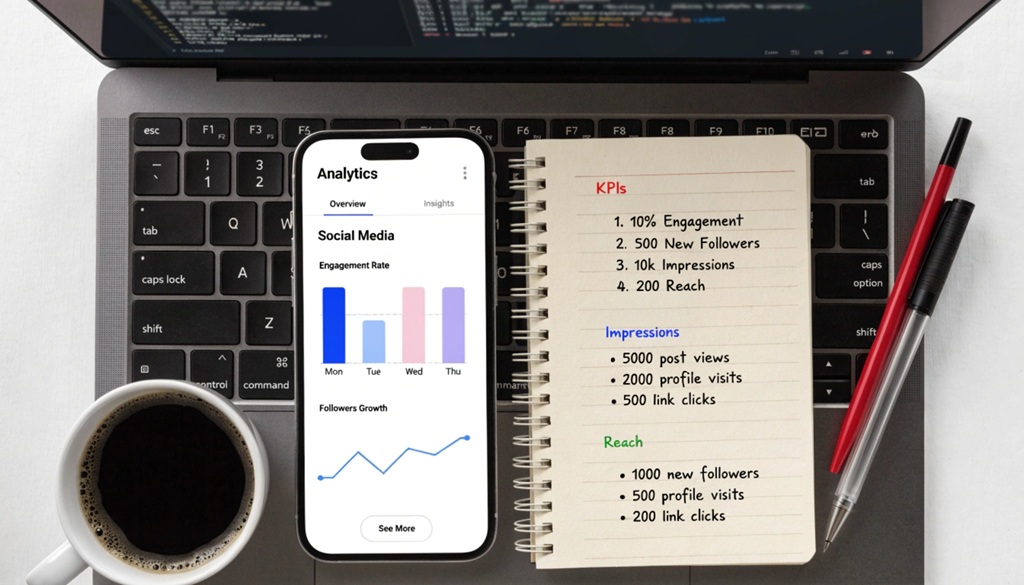
Revenue attribution is the process of tying actual sales dollars back to a specific influencer or piece of content. It’s the metric that answers the question every marketing budget owner eventually asks: did this make us money?
Attribution gets harder as customer journeys become more complex. Someone might see an influencer’s post, search your brand on Google two days later, then buy through email a week after that. Multi-touch attribution models try to account for this, splitting credit across each touchpoint instead of giving it all to the last click.
Simple Attribution Methods for Smaller Teams
Smaller teams without complex attribution software can still get useful data. Unique promo codes, dedicated landing pages, and post-purchase surveys asking “how did you hear about us?” all provide direct evidence, even without enterprise-level tracking tools.
Putting the Metrics Together: A Practical ROI Framework
No single metric proves influencer marketing ROI on its own. You need a combination that covers both the top of the funnel and actual revenue. A practical framework looks like this: use engagement rate to judge content quality, conversion rate to measure buying intent, CPA to compare cost-efficiency across channels, and revenue attribution to confirm the final dollar impact.
Review these numbers together after each campaign, and compare them against your goals before the campaign started. A campaign built for brand awareness should be judged differently than one built for direct sales, so match your metric priorities to your original objective.
Frequently Asked Questions
What is a good ROI for influencer marketing campaigns?
A good ROI varies by industry and campaign goal, but many brands aim for at least a 2:1 to 5:1 return on ad spend. E-commerce brands running conversion-focused campaigns often target the higher end of that range. The right benchmark depends on your product margins and average customer value.
How do you calculate influencer marketing ROI?
Subtract total campaign cost from total revenue generated, then divide that number by the total cost, and multiply by 100 to get a percentage. You need accurate attribution data, like unique promo codes or trackable links, to calculate this correctly. Without proper tracking, any ROI number is just a rough estimate.
Is engagement rate or follower count more important for ROI?
Engagement rate matters more than follower count for ROI, because it reflects actual audience interaction rather than passive following. However, neither metric alone proves financial return. Conversion rate and revenue attribution give a much clearer picture of whether a campaign paid off.
How long does it take to see ROI from an influencer campaign?
Most brands see initial conversion data within the first one to two weeks after a post goes live, though the timeline depends on your sales cycle. Products with short consideration periods, like snacks or apparel, tend to convert faster than high-ticket items like software or furniture. Track results for at least 30 days to capture delayed conversions.
Can micro-influencers deliver better ROI than macro-influencers?
Yes, micro-influencers often deliver stronger ROI because they typically have higher engagement rates and more niche, trusting audiences. Their fees are also usually lower, which improves your cost per acquisition. Many brands find that a mix of several micro-influencers outperforms one expensive macro-influencer campaign.
Conclusion
ROI in influencer marketing comes from tracking the right combination of metrics, not just one number in isolation. Engagement rate and audience quality tell you if the content and creator are a good fit. Conversion rate, CPA, and revenue attribution tell you if the campaign actually made money. Earned media value adds useful context but should never be your only measurement.
Set up tracking before your campaign launches. Choose metrics that match your specific goal, whether that’s awareness, leads, or direct sales. When you measure the full picture instead of chasing vanity numbers, you’ll know exactly which influencer partnerships are worth repeating.