

Have you ever bought something because your favorite influencer raved about it? The psychology of influencer recommendations on purchase decisions is fascinating. It taps into our emotions, trust, and desire to belong. Influencers, with their relatable content and large followings, guide our buying habits in ways we often don’t notice. From skincare to gadgets, their endorsements feel personal, almost like advice from a friend. This blog post explores why we trust these voices and how they shape our decisions. Through storytelling, research, and personal insights, we’ll uncover the hidden forces behind influencer-driven purchases. Let’s dive into this captivating world of influence.
Why We Trust Influencers: The Psychology Unveiled
The psychology of influencer recommendations on purchase decisions hinges on trust. Influencers build connections through authentic storytelling, making us feel like we know them. This bond, called parasocial interaction, tricks our brains into trusting their advice. According to a 2019 study by Nielsen, 92% of consumers trust recommendations from people they follow over traditional ads. When an influencer shares a product, it feels like a friend’s suggestion, not a sales pitch.
Additionally, influencers often appear relatable, sharing personal struggles or successes. This vulnerability fosters trust, making their endorsements powerful. For example, when I saw a fitness influencer share their journey with a protein powder, I bought it, feeling it would work for me too. Their authenticity sways us, blending emotional connection with perceived expertise. Therefore, we’re more likely to act on their recommendations.
The Role of Social Proof in Influencer Recommendations
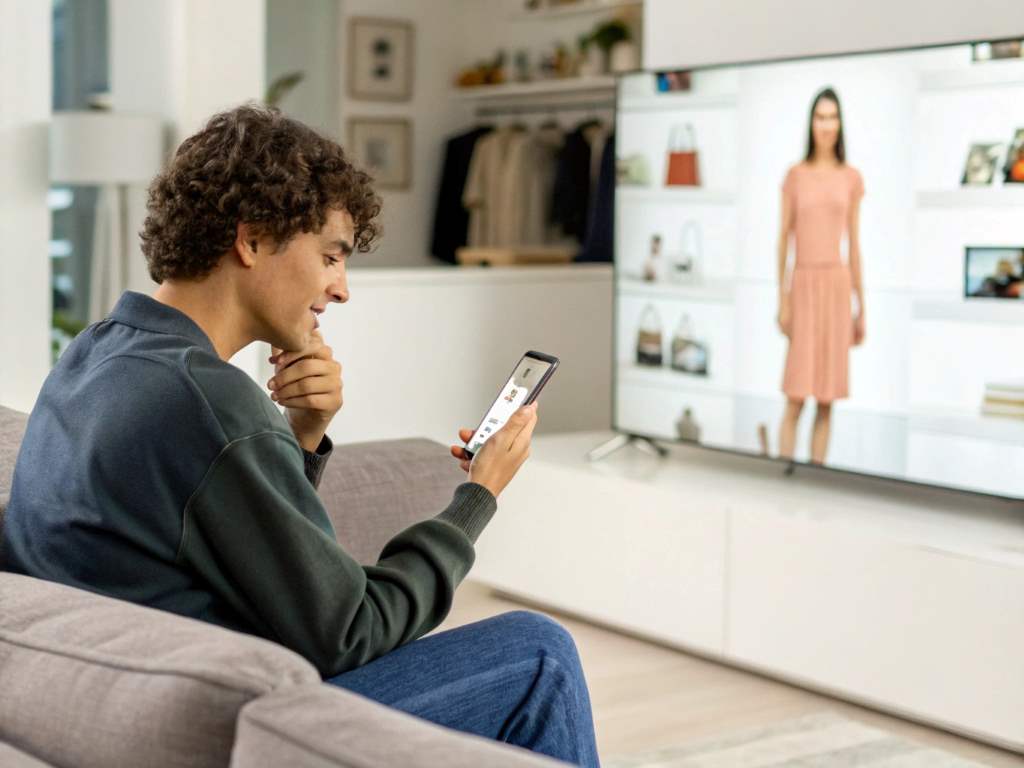
Social proof is a key driver in the psychology of influencer recommendations on purchase decisions. We look to others to guide our choices, especially in uncertain situations. Influencers, with thousands or millions of followers, signal that a product is popular and reliable. A 2021 report by Edelman found that 63% of consumers trust influencer endorsements more when they see high engagement, like likes or comments.
Moreover, seeing others use a product creates a bandwagon effect. We think, “If everyone loves it, it must be good.” For instance, when a beauty influencer posts a glowing review of a moisturizer, comments from followers praising it amplify its appeal. This social validation pushes us to buy, as we crave belonging. Consequently, influencers leverage social proof to make their recommendations irresistible.
Emotional Triggers: How Influencers Pull at Our Heartstrings
Influencers are masters at tapping into emotions, a core aspect of the psychology of influencer recommendations on purchase decisions. They craft stories that evoke desire, aspiration, or even fear of missing out (FOMO). By sharing how a product transformed their life, they make us want that change too. For example, a travel influencer’s post about a sleek backpack can spark dreams of adventure.
Additionally, emotions like trust and admiration drive purchases. When I followed a parenting influencer who recommended a baby monitor, their heartfelt story about safety convinced me to buy it. According to a 2020 study by the Journal of Consumer Research, emotional appeals in endorsements increase purchase intent by 25%. Therefore, influencers use emotional storytelling to connect deeply with our desires, nudging us toward action.
The Impact of Authenticity on Purchase Decisions
Authenticity is the heartbeat of influencer recommendations. The psychology of influencer recommendations on purchase decisions thrives on genuine content. When influencers share honest reviews, including flaws, we trust them more. A 2022 survey by Sprout Social revealed that 70% of consumers prefer influencers who disclose both pros and cons of products. This transparency builds credibility.
For instance, I once hesitated to buy a skincare product until an influencer admitted it took weeks to see results but was worth it. Their honesty sold me. Fake or overly polished endorsements, however, can backfire, as audiences spot inauthenticity. Thus, influencers who balance enthusiasm with honesty create stronger connections, making their recommendations more persuasive and effective.
The Dark Side: Manipulation and Over-Reliance on Influencers
While powerful, the psychology of influencer recommendations on purchase decisions has a darker side. Some influencers exploit trust, promoting products they don’t use for profit. This manipulation can lead to poor purchase decisions. For example, I once bought a gadget hyped by an influencer, only to find it faulty. Such experiences erode trust.
Additionally, over-reliance on influencers can weaken our decision-making skills. We may ignore research or personal needs, blindly following recommendations. A 2023 study by Harvard Business Review noted that 55% of consumers regretted purchases made solely on influencer endorsements. Therefore, while influencers guide us, balancing their advice with critical thinking is crucial to avoid costly mistakes.
How to Make Informed Decisions in the Influencer Era
Navigating the psychology of influencer recommendations on purchase decisions requires savvy. First, check the influencer’s credibility. Do they use the product themselves? Look for detailed reviews, not vague praise. Second, cross-reference with other sources, like customer reviews or expert opinions. This ensures you’re not swayed by hype alone.
Here’s how to stay smart:
- Verify authenticity: Seek influencers who share honest, balanced reviews.
- Research independently: Check product ratings on trusted sites like Consumer Reports.
- Trust your needs: Ensure the product fits your lifestyle, not just the influencer’s.
For example, before buying a fitness tracker recommended by an influencer, I read user reviews and compared features. This saved me from an overhyped purchase. By blending influencer insights with research, you make empowered choices.
Conclusion
The psychology of influencer recommendations on purchase decisions shapes how we shop in powerful ways. From building trust to sparking emotions, influencers guide our choices like trusted friends. Yet, their impact can lead to impulsive buys if we’re not careful. By understanding their tactics—social proof, emotional appeals, and authenticity—we can make smarter decisions. Next time an influencer’s post tempts you, pause and research. Their recommendations are valuable, but your judgment is key. Have you been swayed by an influencer’s advice? Share your story in the comments or spread this article to help others shop wisely!
FAQs
Why do influencer recommendations feel so convincing?
Influencers build trust through relatable content and emotional storytelling, making their recommendations feel personal and credible.
How does social proof affect my purchase decisions?
Social proof, like likes or comments on influencer posts, signals a product’s popularity, pushing you to buy to feel included.
Can influencers manipulate my buying choices?
Yes, some influencers promote products for profit, not authenticity, which can lead to poor purchases if you don’t research.
How can I avoid bad purchases from influencer recommendations?
Research independently, verify the influencer’s credibility, and ensure the product aligns with your needs before buying.
Why is authenticity important in influencer endorsements?
Authentic endorsements, with honest pros and cons, build trust, making you more likely to value and act on their advice.