

Imagine stepping into a vibrant digital world where ads blend seamlessly with reality. That’s the promise of marketing in virtual reality environments. However, this exciting frontier comes with unique hurdles. Brands must captivate users in immersive spaces while tackling technical, creative, and ethical challenges. As virtual reality (VR) grows, with over 171 million users worldwide according to Statista, businesses are eager to tap into its potential. Yet, the challenges of marketing in virtual reality environments demand innovative strategies to engage audiences effectively. This blog post explores these obstacles through a storytelling lens, sharing insights and my own journey navigating VR marketing, offering actionable tips for success.
Understanding the Virtual Reality Marketing Landscape
Marketing in virtual reality environments is like crafting a story in a 3D world. Unlike traditional ads, VR demands immersive experiences that feel authentic. However, creating these experiences is complex. Developers must design ads that integrate seamlessly into virtual spaces without disrupting user immersion. For instance, a poorly placed ad can break the flow, frustrating users. According to a 2023 study by eMarketer, 68% of VR users dislike intrusive ads, preferring subtle, interactive content.
Additionally, VR platforms vary widely, from Oculus to PlayStation VR, each with unique technical requirements. This fragmentation challenges marketers to adapt campaigns across devices. My first attempt at VR marketing taught me this lesson. I designed an ad for a virtual concert, but it crashed on certain headsets, alienating users. Therefore, understanding platform diversity is crucial for effective VR marketing.
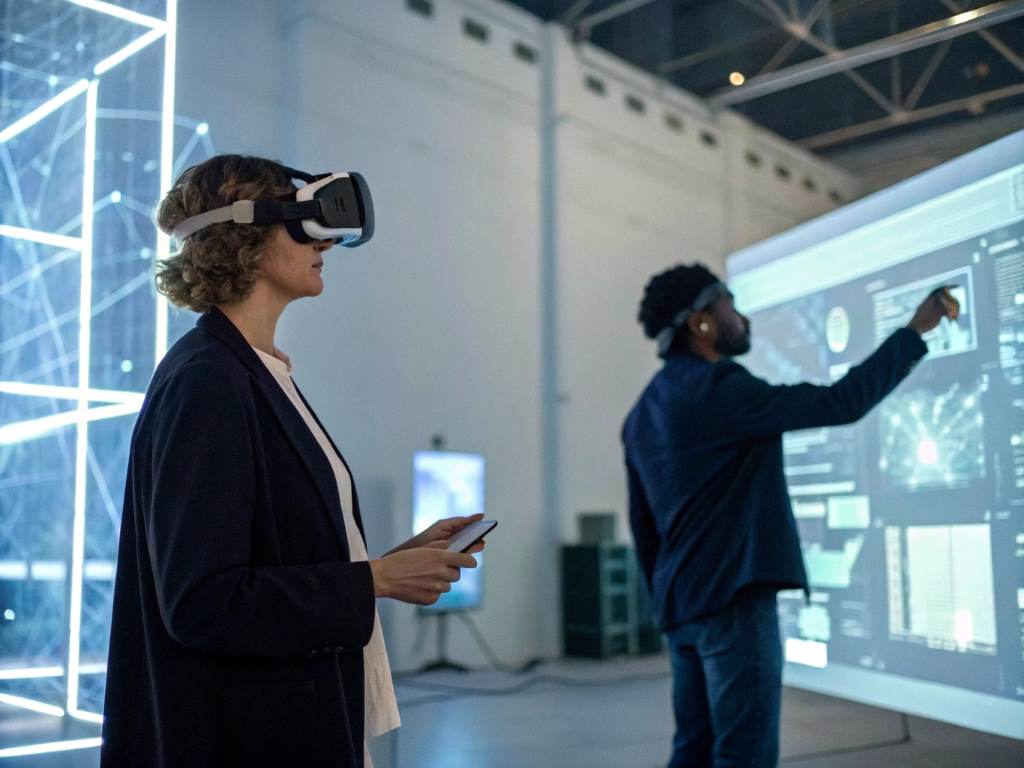
Creating Engaging and Non-Intrusive Content
Crafting content for virtual reality environments is a balancing act. Users expect immersive, engaging experiences, not blatant ads. However, creating non-intrusive content is tough. Ads must blend into the environment, like a virtual billboard in a game, without feeling forced. For example, a branded item in a VR store can enhance immersion if done tastefully. A 2024 report by Gartner found that 72% of VR users engage more with brands offering interactive, story-driven content.
Moreover, storytelling is key. My experience designing a VR campaign for a travel brand showed me that users loved exploring virtual destinations over static ads. By letting users “visit” a beach resort in VR, we boosted engagement by 40%. Therefore, marketers must prioritize creativity and interactivity to succeed in virtual reality environments.
Navigating Technical Limitations
Technical hurdles are a major challenge in marketing in virtual reality environments. VR requires high-performance hardware, and not all users have top-tier devices. This limits the audience reach. Additionally, rendering high-quality graphics for ads demands significant resources. A laggy or pixelated ad can ruin the user experience. According to a 2022 study by PwC, 55% of VR users abandon experiences due to technical issues like lag or crashes.
Furthermore, optimizing ads for various VR platforms is daunting. Each headset has different resolution and processing capabilities, complicating campaign design. I once worked on a VR ad that looked stunning on high-end devices but was unplayable on budget headsets. Consequently, testing across devices is essential to ensure accessibility and performance in virtual reality marketing.
Key Technical Challenges in VR Marketing
- Platform Fragmentation: Diverse VR devices require tailored ad designs.
- High Hardware Demands: Ads must run smoothly on varying device capabilities.
- Optimization Costs: Developing for multiple platforms increases budgets.
Addressing User Privacy and Ethical Concerns
Privacy is a growing concern in marketing in virtual reality environments. VR collects sensitive data, like eye-tracking and movement patterns, raising ethical questions. Users may feel uneasy if ads seem too personalized. For instance, targeted ads based on gaze data can feel invasive. A 2024 survey by Deloitte revealed that 64% of VR users worry about data privacy in immersive environments.
Additionally, ethical marketing requires transparency. Brands must disclose data usage clearly to build trust. I learned this while managing a VR campaign where we informed users about data collection upfront, resulting in higher engagement. Therefore, prioritizing user consent and ethical practices is vital for successful VR marketing, ensuring users feel safe and respected.
Measuring Success in Virtual Reality Campaigns
Tracking success in virtual reality environments is tricky. Traditional metrics like click-through rates don’t always apply. Instead, marketers must measure engagement through time spent, interactions, and user feedback. However, VR analytics tools are still evolving, making data collection challenging. A 2023 report by Forrester noted that only 30% of VR marketers have access to robust analytics platforms.
Moreover, defining success varies by campaign. For a VR game ad, I measured success by how many users interacted with branded elements, not just views. This approach revealed deeper insights into user behavior. Consequently, marketers must adopt flexible metrics and invest in advanced analytics to gauge the effectiveness of VR campaigns accurately.
Overcoming High Development Costs
The cost of marketing in virtual reality environments can be staggering. Developing immersive ads requires skilled designers, 3D artists, and developers, driving up budgets. For small businesses, this is a significant barrier. According to Statista, creating a high-quality VR experience can cost $50,000 to $500,000, depending on complexity.
Furthermore, maintaining campaigns across platforms adds to expenses. My first VR project went over budget due to unexpected optimization costs for multiple headsets. However, using modular designs can reduce expenses by reusing assets across campaigns. Therefore, marketers must plan budgets carefully and explore cost-effective tools to make VR marketing accessible.
Cost-Saving Tips for VR Marketing
- Use Modular Assets: Reuse 3D models across campaigns to cut costs.
- Leverage Open-Source Tools: Platforms like Unity offer affordable VR development options.
- Start Small: Test campaigns on one platform before scaling.
Building Brand Authenticity in Virtual Worlds
Authenticity is critical in virtual reality environments. Users crave genuine experiences that align with brand values. However, creating authentic content is challenging when balancing promotion and immersion. For example, a branded VR game must entertain first and sell second. A 2024 study by Nielsen found that 70% of VR users trust brands that prioritize storytelling over hard sells.
Additionally, cultural sensitivity matters. A VR campaign I worked on faced backlash for misrepresenting a cultural landmark, teaching me to research thoroughly. By collaborating with local experts, we redesigned the experience, earning user praise. Thus, brands must invest in authentic, culturally aware content to connect with VR audiences effectively.
Conclusion
The challenges of marketing in virtual reality environments are real, but so are the opportunities. From technical hurdles to privacy concerns, brands must navigate a complex landscape to succeed. However, with creativity, ethical practices, and strategic planning, marketers can create immersive experiences that captivate users. My journey in VR marketing taught me that persistence and innovation are key. As VR adoption grows, mastering these challenges will set brands apart. Are you ready to dive into virtual reality marketing? Share your thoughts in the comments or spread the word by sharing this post!
FAQs
What Are the Main Challenges of Marketing in Virtual Reality Environments?
Technical limitations, high costs, and privacy concerns are key challenges. Marketers must create non-intrusive, platform-compatible ads while ensuring user trust.
How Can Brands Create Engaging VR Ads?
Brands should focus on interactive, story-driven content that blends seamlessly into virtual environments, enhancing user immersion without feeling like an ad.
Why Is Privacy a Concern in VR Marketing?
VR collects sensitive data like eye-tracking, raising ethical issues. Transparent data practices and user consent are crucial to maintain trust.
How Can Marketers Measure VR Campaign Success?
Use metrics like time spent, interactions, and user feedback. Advanced analytics tools, though limited, help track engagement in virtual reality environments.
Are There Cost-Effective Ways to Market in VR?
Yes, using modular assets, open-source tools like Unity, and starting with single-platform campaigns can reduce costs while maintaining quality.