
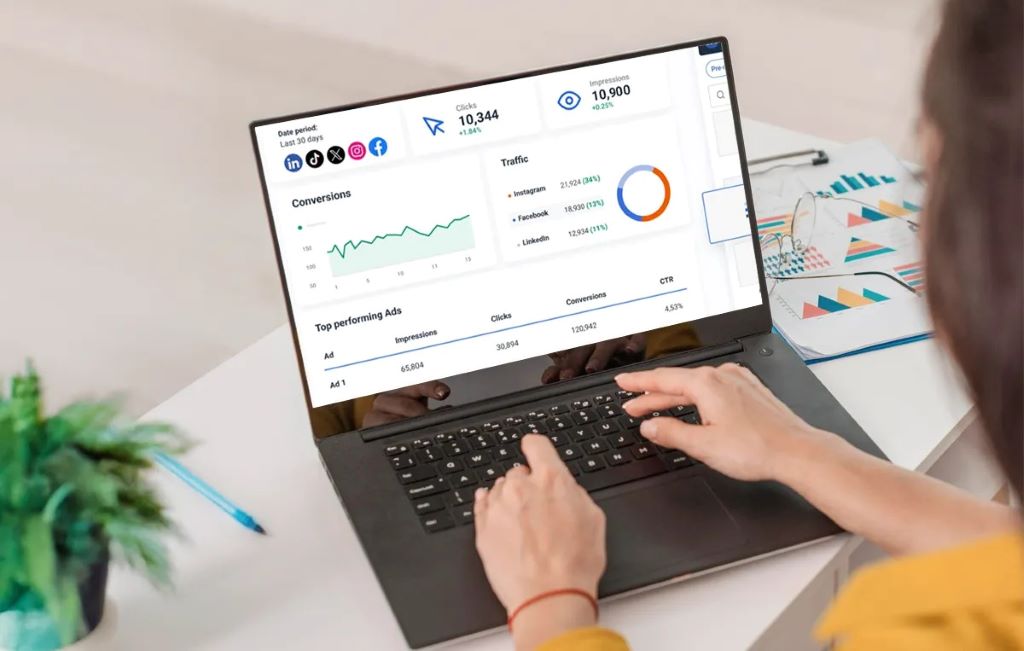
In today’s hyper-competitive digital landscape, simply having a presence on social media is no longer enough. Businesses are shifting their focus from vanity metrics like likes and follows to tangible results that impact the bottom line. This evolution has given rise to a more data-driven approach: social performance marketing. The goal is no longer just engagement; it’s about driving conversions, generating leads, and achieving a measurable return on investment (ROI). To navigate this complex world, marketers need a powerful arsenal of tools, a subject that experts at Seller Spike understand deeply. This article will explore the essential social performance marketing tools you need to succeed in 2025.
Before diving into the specific software and platforms, it’s crucial to build your strategy on a solid foundation. The effectiveness of any tool is directly tied to the environment in which it is used. Therefore, the first step in any successful campaign is identifying the best social media platforms for marketing in 2025 for your unique brand and audience. Choosing the right channels ensures that your message reaches the people most likely to convert, maximizing the efficiency of your marketing spend and the power of the tools you employ. Once your platforms are selected, you can then choose the right tools to execute and measure your strategy.
Social performance marketing tools can be categorized based on their primary function. From all-in-one management suites to highly specialized analytics platforms, each plays a critical role in a cohesive strategy. Understanding these categories will help you build a tech stack that covers every stage of your marketing funnel, from initial awareness to final conversion and customer retention.
All-in-One Social Media Management Platforms
These platforms are the command centers for your social media operations. They allow you to manage multiple profiles, schedule content, engage with your audience, and pull basic performance reports from a single dashboard. For performance marketing, their value lies in efficiency and organization.
Sprout Social
Sprout Social is a robust platform favored by businesses of all sizes, from small companies to large enterprises. Its strength lies in its powerful analytics and reporting features, which are designed to provide actionable insights. You can track conversion-related metrics, analyze post-performance across different networks, and create custom reports to demonstrate ROI to stakeholders. Additionally, its collaboration tools make it easy for teams to work together on campaigns, ensuring a unified brand voice and strategy. Sprout Social also offers advanced listening tools that help you monitor brand mentions and industry conversations, allowing you to identify opportunities and manage your reputation effectively.
Hootsuite
One of the most established names in social media management, Hootsuite offers a comprehensive suite of tools for scheduling, monitoring, and analytics. For performance marketers, its key feature is the ability to track campaign performance in real-time. You can set up streams to monitor specific keywords, hashtags, and mentions, which is invaluable for campaign tracking and competitive analysis. Furthermore, Hootsuite integrates with a vast library of third-party apps, including analytics tools like Google Analytics and CRM platforms. This integration allows you to create a more holistic view of your customer’s journey, from their first interaction on social media to their final purchase on your website.
Advanced Analytics and Reporting Tools
While all-in-one platforms provide good overview analytics, dedicated analytics tools offer a much deeper dive into the data. These tools are essential for understanding what truly drives performance.
Google Analytics 4 (GA4)
No performance marketing toolkit is complete without Google Analytics 4. GA4 is crucial for connecting your social media efforts to actual website behavior and conversions. By using UTM parameters in the links you share on social media, you can precisely track how many users are coming from each platform, which campaigns are driving the most traffic, and, most importantly, what actions those users take once they arrive on your site. You can set up conversion events for everything from newsletter sign-ups to product purchases, giving you a clear, data-backed understanding of the ROI from your social channels.
Keyhole
Keyhole specializes in real-time social media analytics, making it perfect for monitoring campaigns and events as they happen. Its core strengths are hashtag tracking and influencer analytics. For a product launch or a marketing event, you can use Keyhole to measure the reach and engagement of your campaign hashtag across platforms like X (formerly Twitter) and Instagram. It also helps you identify key influencers who are talking about your brand, allowing you to measure their impact and vet potential partners. This focus on real-time data allows for agile campaign adjustments to optimize performance on the fly.

Content Creation and Design Tools
High-performing social media campaigns rely on compelling and visually appealing content. The creative is often the single most important variable in an ad’s success. These tools empower marketers to create professional-quality assets without needing a dedicated design team.
Canva
Canva has revolutionized content creation for marketers. Its user-friendly, drag-and-drop interface makes it incredibly simple to design everything from Instagram stories and Facebook ad graphics to animated videos and carousel posts. For performance marketing, Canva’s value is in its speed and consistency. You can create brand kits with your company’s logos, colors, and fonts to ensure all your visuals are on-brand. Moreover, its vast library of templates is optimized for different social media platforms, saving you time and ensuring your creatives meet the recommended specifications for maximum impact.
Adobe Express
As a direct competitor to Canva, Adobe Express offers a similarly intuitive platform for creating stunning graphics, web pages, and short videos. Its key advantage is its seamless integration with the broader Adobe Creative Cloud ecosystem. If your team already uses Photoshop or Illustrator, Adobe Express provides a simplified way to quickly adapt professional assets for social media use. It also includes powerful features powered by Adobe’s AI, such as background removal and animation effects, that can make your content stand out in a crowded feed.
Ad Management and Optimization Tools
While organic social media has its place, performance marketing often leans heavily on paid advertising to generate predictable results. These tools help you create, manage, and optimize your social ad campaigns for better performance.
AdEspresso
AdEspresso, a Hootsuite company, is designed to simplify and optimize advertising on Facebook, Instagram, and Google. Its primary feature is its powerful A/B testing capability. You can easily test dozens of variations of your ads by changing headlines, images, and audience targeting to systematically identify the top-performing combinations. The platform presents the results in a clear, easy-to-understand format, taking the guesswork out of optimization. For marketers focused on ROI, this data-driven approach is essential for minimizing ad spend while maximizing conversions.
Smartly.io
Smartly.io is an enterprise-level advertising platform for the world’s largest advertisers. It automates every step of social advertising, from creative production to campaign optimization. One of its standout features is its ability to create dynamic ads from a product feed, which is perfect for e-commerce brands with large inventories. It uses AI to optimize campaigns in real-time, automatically shifting budget to the best-performing ads and audiences. While it is a significant investment, for brands spending heavily on social ads, the efficiency and performance gains can deliver a substantial return.
Conclusion
The world of social performance marketing is driven by data and a relentless focus on results. Having the right set of tools is not a luxury but a necessity for achieving your goals. By combining an all-in-one management platform like Sprout Social with deep-dive analytics from Google Analytics 4, efficient content creation with Canva, and sophisticated ad optimization through AdEspresso, you can build a powerful tech stack. This combination allows you to streamline your workflow, gain actionable insights, create compelling content, and ultimately drive measurable conversions. As we move further into 2025, the brands that succeed will be the ones that effectively leverage these tools to turn social media activity into tangible business growth.
Frequently Asked Questions (FAQs)
-
What is the main difference between social media marketing and social performance marketing?
Social media marketing is a broad term that covers all marketing activities on social platforms, including brand awareness and community building. Social performance marketing is a subset of this, specifically focused on actions that drive measurable results like leads, sales, or app installs, with a strong emphasis on ROI.
-
Can I do social performance marketing without a budget for tools?
While it’s challenging, you can start with a limited budget. Utilize the free native analytics tools provided by platforms like Meta Business Suite and TikTok Analytics. Use free versions of design tools like Canva and focus on tracking conversions manually with UTMs and Google Analytics 4. However, paid tools significantly increase efficiency and the depth of your insights.
-
How do I choose the right tools for my small business?
Start by identifying your primary goal. If it’s saving time, an all-in-one tool like Buffer or Hootsuite is a great start. If your focus is improving ad performance, a tool like AdEspresso might be more critical. Always take advantage of free trials to see which platform best fits your workflow and budget before committing.
-
How important is video content for social performance marketing?
Video content is extremely important. Platforms like TikTok, Instagram Reels, and YouTube Shorts have demonstrated that short-form video is one of the most engaging and high-converting formats. Tools for simple video creation and editing are becoming essential for performance marketers to capture audience attention effectively.
-
How do I measure the ROI of my social performance campaigns?
To measure ROI, you need to track both your spending and your returns. Your spending includes ad costs, tool subscriptions, and labor. Your returns are the monetary value of the conversions you generate (e.g., total sales from a campaign). The basic formula is: ((Revenue – Investment) / Investment) * 100. Accurate tracking via pixels and UTMs is crucial for this calculation.
Related Topics:
Future of Remote Work Policies in the Tech Industry
Surfing the Digital Tsunami: Top Digital Marketing Trends in Los Angeles (2025)