
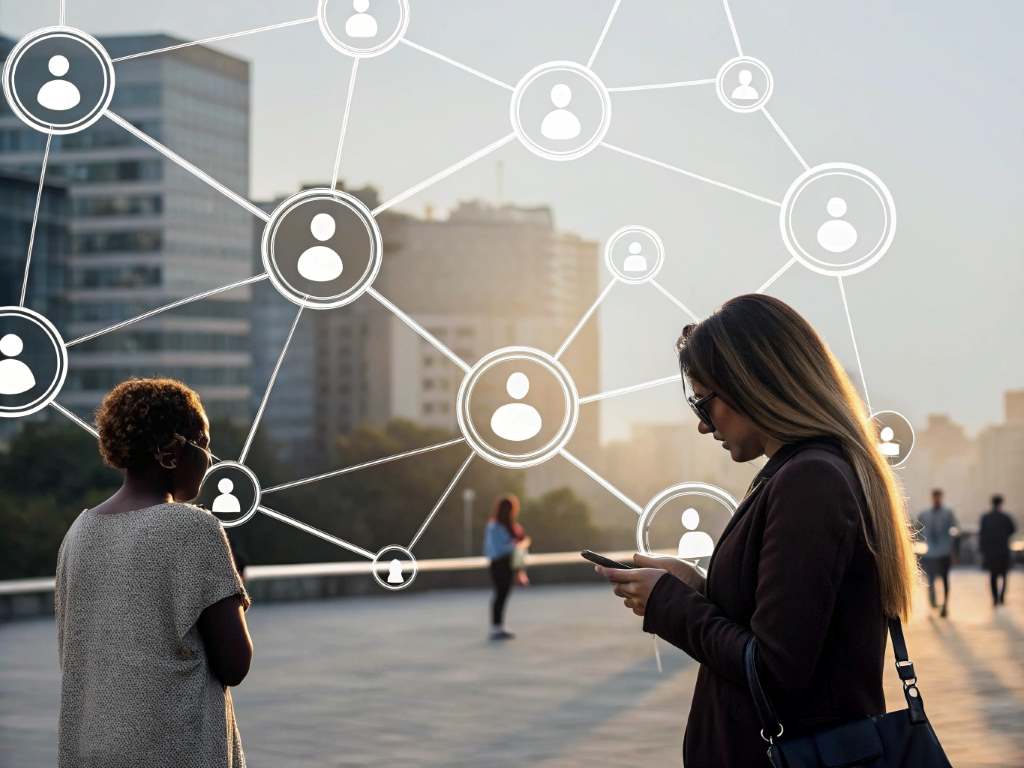
Imagine sharing a funny meme with your best friend via WhatsApp or emailing a must-read article to a colleague. These private interactions, often invisible to marketers, are the essence of dark social. The role of dark social in brand awareness and attribution is massive yet tricky to track. Unlike public social media posts, dark social happens in private channels like messaging apps, emails, or texts. According to a 2023 RadiumOne study, 70% of content sharing occurs through dark social channels. This blog post dives into how these hidden shares shape brand visibility and why they matter. Through a storytelling lens, I’ll share insights, stats, and a personal experience to show how dark social drives impact.
What Is Dark Social and Why Does It Matter?
Dark social refers to content shared through private channels like WhatsApp, email, or SMS, where tracking is nearly impossible. Unlike public platforms like Twitter or Instagram, these shares don’t leave a clear digital trail. However, their impact on brand awareness is significant. For example, when someone sends a product link via iMessage, it sparks curiosity in a trusted circle. This personal recommendation fuels brand visibility organically.
The role of dark social in brand awareness and attribution lies in its authenticity. People trust friends’ recommendations over ads. A 2022 Nielsen report found 92% of consumers trust personal referrals more than branded content. Yet, marketers struggle to measure these shares. My friend once shared a skincare product link via email, sparking my interest. That single share led me to buy the product, proving dark social’s power.

How Dark Social Boosts Brand Awareness
Dark social amplifies brand awareness by leveraging trust. When someone shares a blog post or product link privately, it carries weight. Friends or family view these shares as genuine, not promotional. This builds a ripple effect. For instance, a single WhatsApp share can reach a group chat, sparking conversations and interest. Over time, this grows brand recognition without traditional ads.
Moreover, dark social thrives on personal connections. It’s not about flashy campaigns but real conversations. A 2024 Hootsuite study revealed 65% of consumers discover brands through private shares. My own experience confirms this. I once shared a local bakery’s Instagram post via DM. My friends visited the bakery, spreading the word further. Therefore, dark social acts as a silent but powerful brand amplifier.
Key Ways Dark Social Enhances Visibility
- Trust-Based Sharing: Personal recommendations carry more credibility than ads.
- Organic Reach: Shares in group chats or emails extend brand exposure naturally.
- Low-Cost Impact: No ad spend needed for authentic word-of-mouth growth.
Challenges in Tracking Dark Social Attribution
Attribution is where dark social gets tricky. Since shares happen privately, marketers can’t easily track them. Standard analytics tools like Google Analytics miss these interactions. For example, a shared link might show as “direct traffic” instead of social. This makes measuring the role of dark social in brand awareness and attribution tough. Yet, it’s critical to understand its impact.
Thankfully, solutions exist. Tools like UTM parameters or link shorteners can help. However, they’re not foolproof. I once shared a blog post via Slack, but the brand had no way to track it. Additionally, privacy-focused platforms like Signal complicate tracking further. Marketers must innovate to capture dark social’s value. By focusing on shareable content, brands can encourage private sharing, even if it’s hard to measure.
Strategies to Leverage Dark Social for Brands
Brands can harness dark social by creating share-worthy content. Think engaging blog posts, memes, or videos that beg to be shared. For example, a funny video about a product might go viral in WhatsApp groups. Additionally, adding “share via email” or “send to a friend” buttons on websites encourages dark social sharing. These small tweaks make a big difference.
Another strategy is to focus on community-building. Engage audiences with content that sparks conversations. My friend’s bakery share worked because the post was relatable. Furthermore, brands can use referral programs to incentivize sharing. By understanding the role of dark social in brand awareness and attribution, companies can craft strategies that amplify organic reach without breaking the bank.
Practical Tips for Brands
- Create Shareable Content: Craft engaging, relatable posts for private sharing.
- Use Sharing Tools: Add buttons for easy email or app-based sharing.
- Encourage Referrals: Offer rewards for customers who share privately.
The Future of Dark Social in Marketing
The role of dark social in brand awareness and attribution will only grow. As privacy concerns rise, people prefer private channels over public platforms. Apps like Telegram and WhatsApp are booming, with WhatsApp alone boasting 2.7 billion users in 2024, per Statista. This shift means brands must adapt. Future marketing will rely on understanding these hidden networks.
Moreover, AI tools may soon help track dark social better. For now, brands should focus on creating authentic content. My experience sharing that bakery post showed me how one share can snowball. Therefore, prioritizing shareable, trust-driven content is key. Brands that embrace dark social will stay ahead in the evolving digital landscape.
Conclusion
Dark social is a game-changer. Its role in brand awareness and attribution is undeniable, driving organic growth through trusted, private shares. From WhatsApp messages to email forwards, these interactions shape how brands are discovered. Despite tracking challenges, the authenticity of dark social makes it powerful. By creating shareable content and encouraging private sharing, brands can tap into this hidden force. My own experiences sharing links prove its impact. So, embrace dark social to boost your brand’s reach. Want to share your thoughts? Leave a comment or share this post with a friend to spark a conversation!
FAQs
What is dark social in marketing?
Dark social refers to content shared privately via apps like WhatsApp or email, making it hard to track but powerful for brand awareness.
How does dark social affect brand awareness?
It boosts awareness through trusted, personal recommendations, amplifying reach organically without traditional advertising.
Why is tracking dark social challenging?
Private shares don’t appear in standard analytics, often registering as direct traffic, complicating attribution efforts.
How can brands leverage dark social?
Brands can create shareable content, add sharing buttons, and use referral programs to encourage private sharing.
Is dark social growing in importance?
Yes, with rising privacy concerns, private channels like WhatsApp are increasingly vital for brand discovery.