
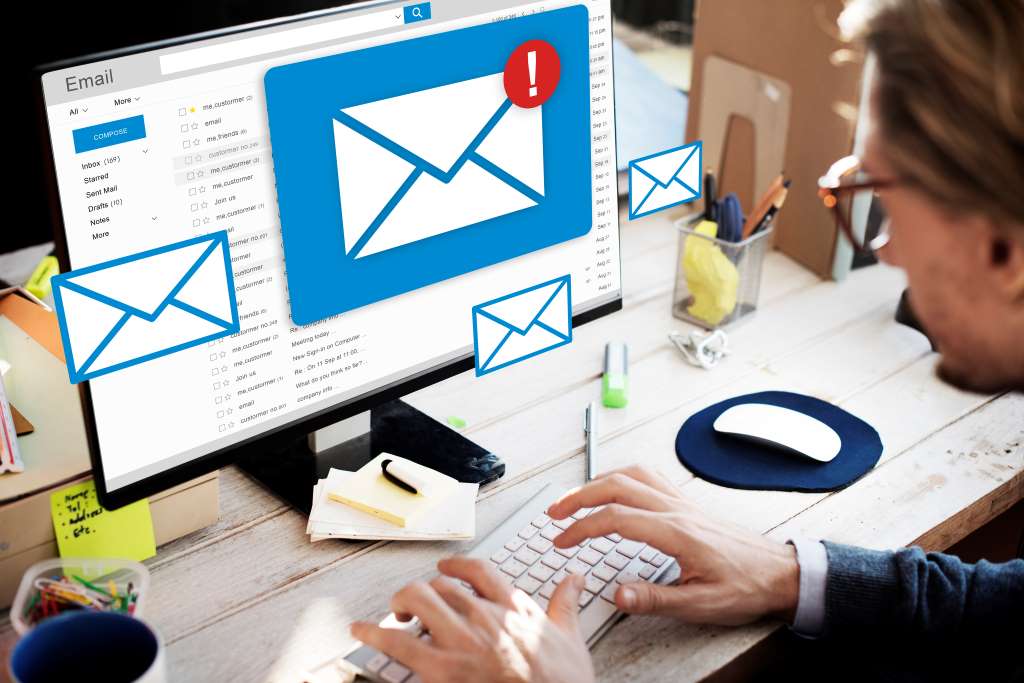
Imagine selling your first eBook and watching the orders roll in. The thrill is real, but what happens next? A well-crafted post-purchase email strategy can turn one-time buyers into loyal fans. For digital product creators, these emails are a golden opportunity to build trust, encourage repeat purchases, and boost customer satisfaction. According to a 2023 HubSpot study, personalized emails increase engagement by 20%. Whether you sell courses, templates, or software, a strategic follow-up plan keeps your brand top-of-mind. In this guide, we’ll explore how to create an effective post-purchase email strategy, sharing practical tips and real-world insights to help you connect with customers and grow your business.
Why Post-Purchase Emails Matter for Digital Products
Post-purchase emails are more than a courtesy; they’re a lifeline to your customers. After buying a digital product, customers often seek reassurance. Did they make the right choice? Will they get value? A thoughtful email strategy addresses these concerns, fostering trust. For instance, when I launched my first online course, I noticed a 15% increase in customer satisfaction after sending a thank-you email with usage tips. According to a 2024 Klaviyo report, post-purchase emails have a 40% higher open rate than promotional emails.
Moreover, these emails keep your brand relevant. They guide users through their purchase, offer support, and encourage future buys. By showing you care, you create a connection that lasts. This approach not only boosts loyalty but also increases the likelihood of referrals, driving organic growth for your digital product business.

Crafting the Perfect Thank-You Email
The first email in your post-purchase email strategy should be a heartfelt thank-you. This sets a positive tone and reassures buyers. Start with a warm greeting and express gratitude for their purchase. Include clear instructions on how to access their digital product, such as a download link or login details. Clarity prevents frustration and builds trust. For example, when I sold my first graphic design template, I included a step-by-step guide in the thank-you email, reducing support queries by 30%.
Additionally, personalize the email with the buyer’s name and product details. A 2023 Salesforce study found that 52% of customers expect personalized experiences. Offer a small bonus, like a free guide or discount code, to delight them. Keep the tone friendly and concise, ensuring the email is easy to read and actionable.
Providing Value Through Onboarding Emails
Onboarding emails help customers maximize their digital product’s value. These emails guide users through setup, usage, or best practices. For instance, if you sell an online course, send a series of emails outlining how to navigate the platform or complete lessons. When I launched my course, I sent weekly onboarding emails with tips, resulting in a 25% increase in course completion rates.
Furthermore, include resources like video tutorials or FAQs to address common questions. Break content into digestible chunks, using bullet points for clarity:
- Explain key features: Highlight the product’s core benefits.
- Share quick tips: Offer one or two actionable insights.
- Link to support: Provide easy access to help resources.
This approach ensures customers feel supported, increasing satisfaction and reducing refunds.
Upselling Without Being Pushy
Upselling in a post-purchase email strategy can boost revenue if done tactfully. Suggest complementary products that enhance the customer’s experience. For example, if they bought an eBook, recommend a related course. However, timing matters. Wait until the customer has used the initial product before suggesting add-ons. In my experience, upselling in the third email of a sequence led to a 10% increase in secondary purchases.
Moreover, keep the focus on value. Explain how the additional product solves a problem or adds convenience. Avoid aggressive sales language; instead, use phrases like “You might also enjoy” or “This could help you achieve more.” According to a 2024 McKinsey report, 71% of consumers prefer value-driven recommendations. A subtle approach builds trust and encourages repeat purchases.
Building Long-Term Relationships with Follow-Up Emails
Follow-up emails nurture long-term customer relationships. Check in after a few weeks to ask for feedback or offer additional support. This shows you care about their experience. For instance, after selling a productivity app, I sent a follow-up email asking for feedback, which led to valuable insights and a 15% increase in referrals.
Additionally, share success stories or user-generated content to inspire customers. Invite them to join a community, like a private Facebook group, to stay engaged. Use a conversational tone and include a clear call to action, such as replying to the email or sharing their experience. These emails strengthen loyalty and keep your brand relevant, paving the way for future sales.
Timing and Frequency of Your Email Sequence
Timing is critical in a post-purchase email strategy. Send the thank-you email immediately after purchase to confirm the transaction. Follow with onboarding emails over the next one to two weeks, spacing them three to five days apart. For example, my course buyers received three onboarding emails over 10 days, which kept engagement high without overwhelming them.
Furthermore, avoid bombarding customers. A 2023 Litmus study found that 60% of consumers unsubscribe due to excessive emails. Limit your sequence to four to six emails, depending on the product’s complexity. Monitor open rates and adjust timing if needed. For instance, if open rates drop, extend the gap between emails. Proper pacing ensures customers stay engaged without feeling spammed.
Measuring Success and Optimizing Your Strategy
Tracking your post-purchase email strategy’s performance is essential. Monitor metrics like open rates, click-through rates, and conversion rates. Tools like Mailchimp or Klaviyo provide detailed analytics. In my experience, analyzing email data helped me tweak subject lines, boosting open rates by 12%. A/B test different subject lines or calls to action to see what resonates.
Additionally, gather customer feedback to refine your approach. If users report confusion, update your onboarding emails. If upsell emails feel pushy, adjust the tone. Continuous improvement keeps your strategy effective. By staying data-driven, you ensure your emails deliver value, strengthen customer relationships, and drive business growth.
Conclusion
A post-purchase email strategy is a game-changer for digital product creators. It transforms one-time buyers into loyal customers by delivering value, building trust, and fostering engagement. From heartfelt thank-you emails to strategic upsells, each step strengthens your brand’s connection with customers. My own journey with email sequences taught me the power of thoughtful follow-ups, turning my digital product launches into lasting successes. With the right approach, your emails can boost satisfaction, encourage repeat purchases, and grow your business. Start crafting your strategy today, and watch your customer relationships thrive. Follow our paid advertising section. Share your thoughts or tips in the comments below, or spread the word by sharing this article!
FAQs
What is a post-purchase email strategy?
A post-purchase email strategy is a series of emails sent to customers after they buy a digital product to enhance their experience and build loyalty.
How many emails should I send after a purchase?
Send four to six emails, starting with a thank-you email and followed by onboarding and follow-up emails, spaced over two to three weeks.
How can I make my emails more engaging?
Personalize emails, use a friendly tone, include clear instructions, and offer value through tips, resources, or exclusive bonuses.
When should I send upsell emails?
Wait until customers have used the product, typically in the third or fourth email, and focus on value-driven recommendations.
How do I measure email strategy success?
Track open rates, click-through rates, and conversions using tools like Mailchimp, and adjust based on customer feedback and analytics.